 ultimate-guide
Why Choose Professional Masonry Services
Table of Contents
- The Difference Professional Masonry Makes
- Key Benefits of Professional Masonry Services
- Understanding Masonry Contractor Cost Estimates
- How to Hire a Masonry Contractor You Can Trust
- Masonry Repair vs Replacement: Making the Right Call
- Common Masonry Services and Applications
- Warning Signs Your Masonry Needs Professional Attention
- Frequently Asked Questions
Last Updated: October 7, 2026
The Difference Professional Masonry Makes
When a foundation crack appears or a retaining wall starts to lean, the difference between DIY attempts and professional masonry services becomes immediately clear. At Solid Rock Brick, we've spent 16 years watching property owners discover that masonry work requires specialized skills, precise material knowledge, and an understanding of how brick, stone, and mortar interact over decades. This isn't cosmetic work, it's structural integrity.
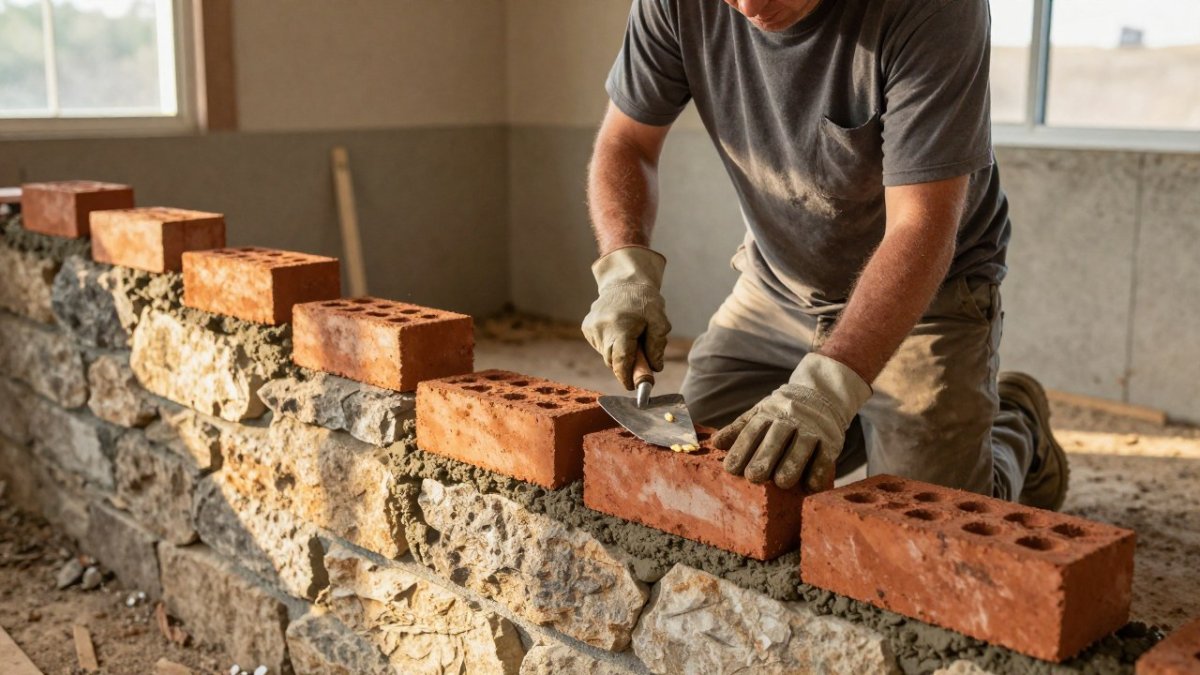
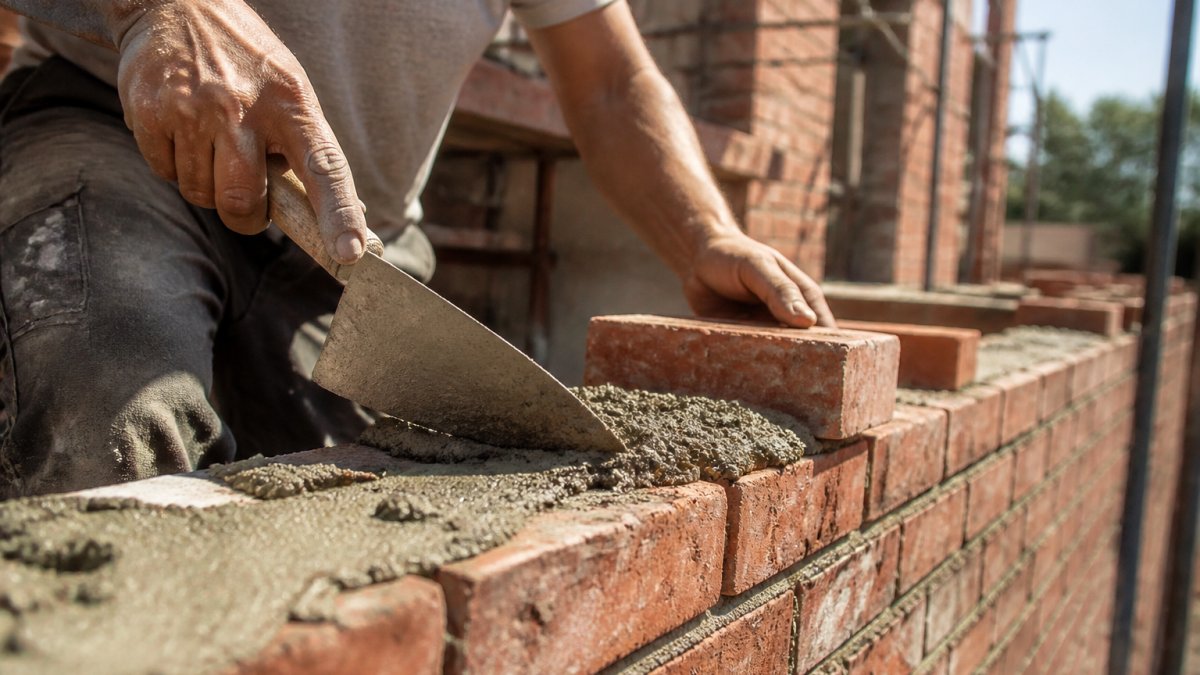
Professional masonry services go far beyond laying bricks. They encompass the technical expertise to evaluate what's failing, why it's failing, and how to fix it so it stays fixed. The craftspeople who understand masonry restoration, material compatibility, and building codes produce results that last. Those who don't often create problems that cost far more to remediate later.
Key Benefits of Professional Masonry Services
Structural Integrity and Long-Term Durability
The primary reason to hire professional masonry services is simple: your property's structural strength depends on it. Masonry carries loads, resists weather, and holds soil in place. When it fails, the consequences extend beyond aesthetics, they threaten the building itself.
Professional masons understand how mortar joints, brick courses, and stone placement work together to distribute weight and resist water infiltration. They know that mortar isn't just filler; it's a critical component that must match the existing material in composition and strength.
A properly executed masonry restoration or repair extends your structure's lifespan by decades. This durability comes from correct material selection, proper installation techniques, and attention to drainage and expansion. Contractors who cut corners on these fundamentals leave you with work that fails within years.
Expert Craftsmanship and High-Quality Finishes
Masonry is a craft. The difference between adequate and excellent work shows immediately and persists for generations. Professional masonry contractors develop an eye for alignment, consistent mortar joint width, and color matching that transforms a functional repair into something that enhances your property's appearance.
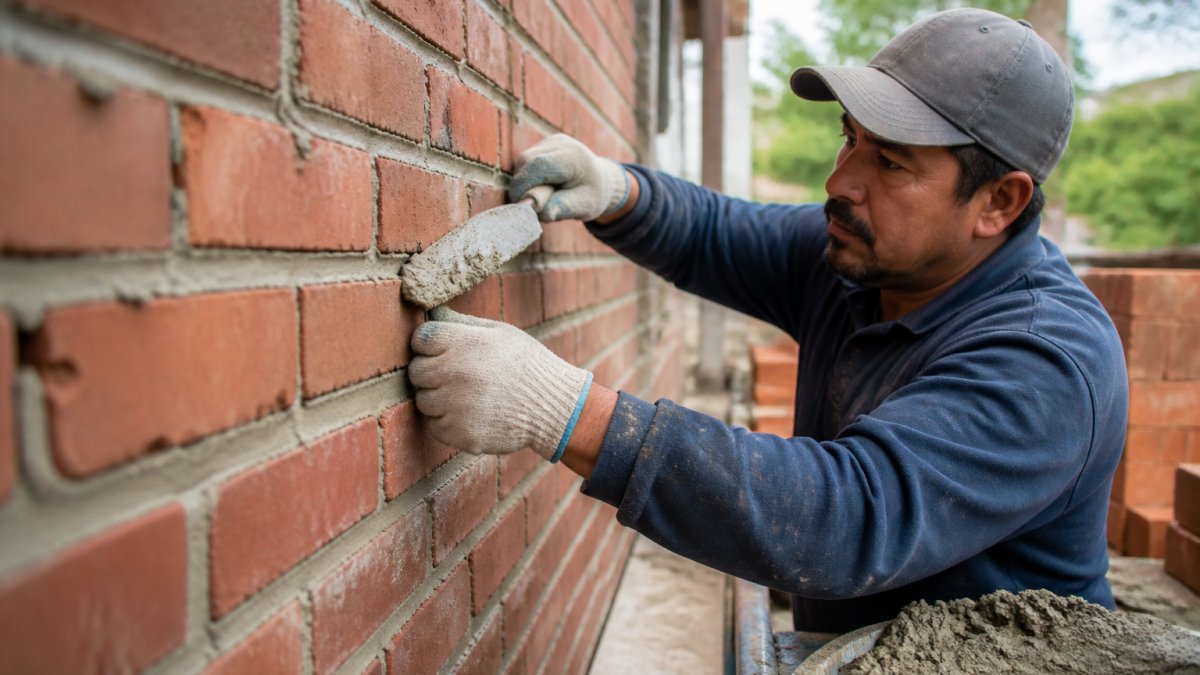
High-quality finishes require skill in tuckpointing, which is the process of carefully removing deteriorated mortar and replacing it with new material that matches the original in color and texture. This specialized technique protects the underlying masonry while restoring visual integrity. It's not something most property owners can execute without training.
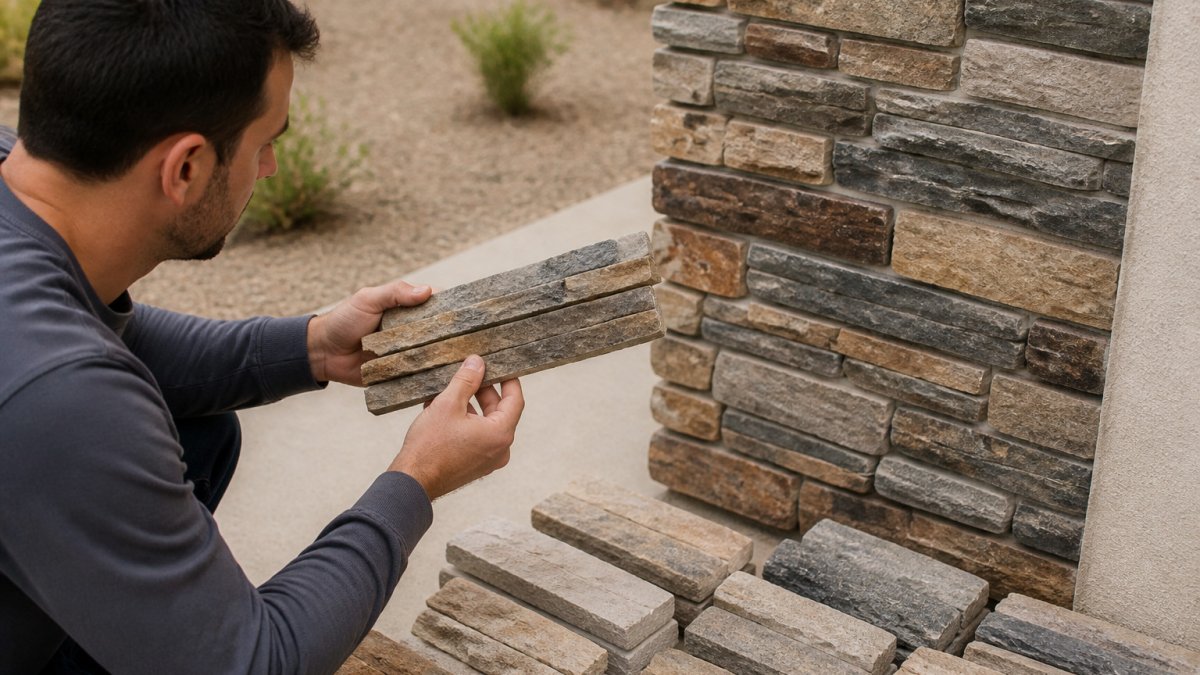
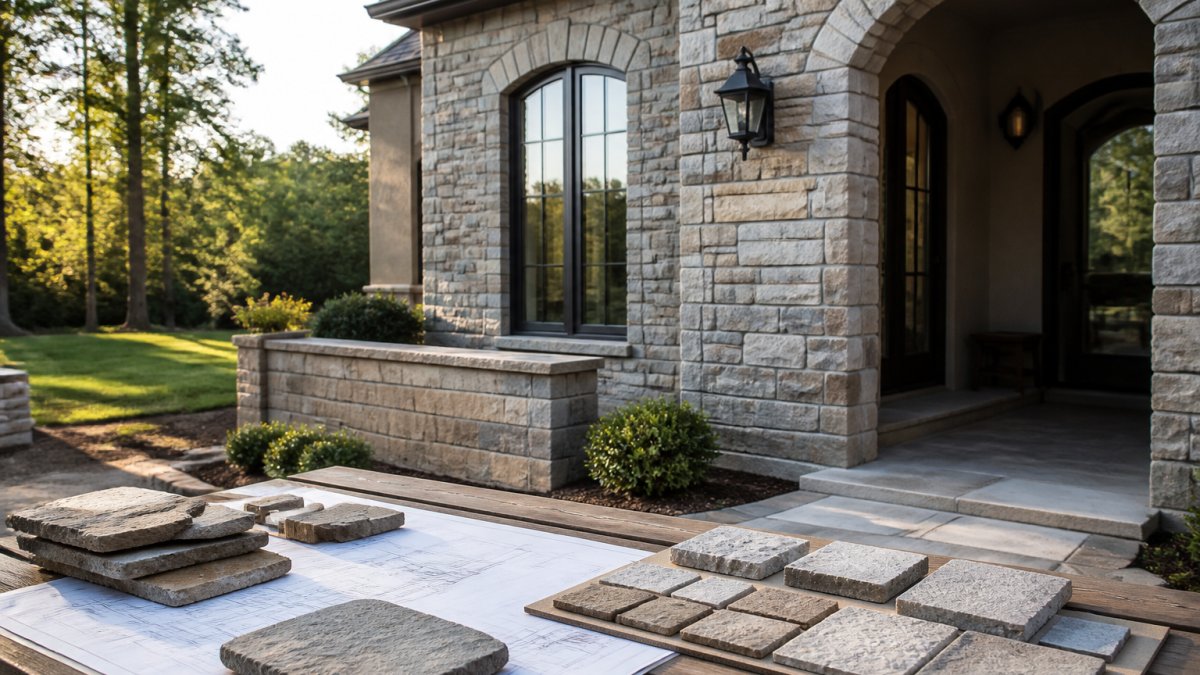
Expert craftsmanship also means understanding how different stone types, brick colors, and textures interact. When you need a custom stone feature or a brick facade that complements your building, professional masonry contractors can bring that vision to life with precision.
Compliance with Building Codes and Safety Standards
Building codes exist because masonry failures have consequences. Structural walls must be designed to code. Chimneys must be built to prevent carbon monoxide leaks. Retaining walls must account for soil pressure and drainage. Professional masonry contractors understand these requirements and build accordingly.
When you hire a licensed and bonded contractor, you're hiring someone who has demonstrated knowledge of local codes and regulations. This matters for permits, inspections, and insurance. If work is done improperly and causes damage, a licensed contractor carries liability insurance. A property owner who hires unlicensed help carries that risk personally.
Compliance also protects your investment. Code-compliant masonry work holds its value and passes inspections when you sell. Non-compliant work creates liability for the next owner and may require costly remediation.
Understanding Masonry Contractor Cost Estimates
What Affects Pricing for Your Project
Masonry contractor cost estimates vary dramatically based on several factors that directly impact labor and materials.
Material selection heavily influences pricing. Natural stone costs more than standard brick. Specialty mortars that match historic masonry cost more than standard mortar. Sourcing matching stone for a repair adds time and expense.
Site conditions matter significantly. A retaining wall on a steep slope with poor soil drainage requires different engineering and materials than one on level ground. Masonry work on a historic structure demands careful material selection and specialized techniques.
Project timeline also influences pricing. Work scheduled during peak season may cost more than off-season projects. Rush timelines require adjusting crew schedules and may involve premium labor costs.
Getting Accurate Quotes and Avoiding Hidden Costs
A legitimate masonry contractor provides detailed quotes that break down labor, materials, and any site-specific factors. The quote should specify what's included: cleanup, removal of old material, permits, and any testing or analysis required.
Common hidden costs emerge when contractors underestimate the scope. Once work begins, they discover deterioration extends further than visible from the surface, or that underlying structural issues require additional work.
Request quotes from multiple contractors, but don't choose based on price alone. The lowest estimate often reflects either inexperience or plans to cut corners. A professional masonry contractor's estimate should be competitive but realistic.
Ask about warranty coverage. Professional contractors typically warrant their workmanship and materials for a defined period. This warranty means they stand behind their work and will address failures at no additional cost. This protection is worth paying for.
How to Hire a Masonry Contractor You Can Trust
Verify Licensing, Bonding, and Insurance
Before hiring any masonry contractor, verify three things: a valid license, bonding, and liability insurance. A licensed contractor has demonstrated competency and knowledge of building codes. Bonding protects you if the contractor fails to complete work or violates contract terms. Insurance protects both you and the contractor if someone is injured on your property.
Contact your state or local licensing board to confirm a contractor's license is current and has no disciplinary history. Ask for proof of bonding and insurance directly from the contractor, then verify it with the issuing agencies. Don't accept verbal assurances, documentation matters.
A professional masonry contractor welcomes these verification requests because they're standard practice. If a contractor resists providing this information, that's a red flag.
Review Past Work and References
Ask for a portfolio of completed projects. Photos of previous work reveal the contractor's quality and style. Look for consistency in craftsmanship, attention to detail, and how well new work integrates with existing structures.
Request references from recent clients and actually call them. Ask specific questions: Did the contractor complete work on time? Was the final result what was promised? How did they handle unexpected issues? Would you hire them again?
Visit completed projects if possible. Seeing masonry work in person, in different lighting and after months of weathering, tells you more than photos. This is especially valuable for restoration work, where you can assess how well the repair matches the original.
Masonry Repair vs Replacement: Making the Right Call
When Repair Is the Right Solution
Most masonry problems can be addressed through targeted repair rather than full replacement. Tuckpointing restores deteriorated mortar joints without replacing the underlying brick or stone. This approach preserves the original material, maintains historical character, and costs significantly less than replacement.
Masonry repair is the right choice when the underlying structure is sound but surface deterioration has occurred. Spalling brick, crumbling mortar, or efflorescence (white mineral deposits) indicate repair needs, not replacement. A professional masonry contractor can assess whether the brick itself is failing or whether the mortar has simply reached the end of its service life.
Repair also makes sense for localized damage. A section of a chimney with deteriorated mortar, or a retaining wall with a few failed stones, can be repaired without rebuilding the entire structure. This targeted approach preserves the original work and typically restores full functionality.
When Full Replacement Makes Sense
Full replacement becomes necessary when structural failure is extensive. If brick is severely damaged, mortar joints are failing across large areas, or if the structure is leaning or settling unevenly, repair alone won't restore safety and durability.
Replacement is also the right choice when the original masonry has reached the end of its service life and repair costs approach or exceed replacement costs. A masonry contractor can provide that analysis, comparing the cost of ongoing repairs against the cost of rebuilding.
Sometimes replacement is chosen for aesthetic reasons. If you're updating a property's appearance or if original masonry no longer fits your design vision, replacement allows you to select new materials and finishes. This is a choice, not a necessity, but it's a legitimate reason to rebuild.
Common Masonry Services and Applications
Residential Projects
Residential masonry services encompass everything from small repairs to major renovations. Homeowners frequently need chimney restoration, which involves inspecting the flue, repairing or replacing deteriorated brick and mortar, and ensuring proper draft and safety.
Driveways and concrete installations are common residential projects. Properly installed masonry or concrete provides decades of service; poor installation leads to cracking, settling, and surface deterioration.
Custom stone features, retaining walls, fire pits, outdoor living spaces, enhance residential properties. These projects combine structural requirements with aesthetic goals. A professional masonry contractor balances both, creating features that look beautiful and function reliably for years.
Commercial Masonry Solutions
Commercial properties require masonry services that prioritize durability and professional appearance. Dumpster enclosures, loading dock areas, and facility exteriors must withstand heavy use and maintain a polished appearance. Professional masonry ensures these structures are built to code, properly sealed against weather and pests, and designed to last.
Brick facades on commercial buildings require specialized maintenance. Tuckpointing, cleaning, and repairs preserve the professional appearance that affects tenant satisfaction and property value. Commercial properties often have stricter code requirements and insurance standards, making professional masonry contractors essential.
Parking lot repairs, foundation work, and structural masonry are common commercial applications. These projects often involve coordinating with other trades and meeting tight timelines. Professional masonry contractors experienced in commercial work understand these constraints and deliver accordingly.
Warning Signs Your Masonry Needs Professional Attention
Visible cracks in mortar joints indicate that repair is approaching. Small cracks may seem minor, but they allow water infiltration, which accelerates deterioration. Addressing cracks early through tuckpointing prevents larger problems.
Spalling brick, where the surface flakes or chunks away, signals that freeze-thaw cycles or salt damage is occurring. Once spalling begins, it accelerates.
Efflorescence, the white or gray mineral deposits on masonry surfaces, indicates water is moving through the structure (C1601 Standard Test Method for Field Determination of Water Penetration of Masonry Wall...).
Leaning or bowing walls, especially in retaining walls or chimneys, indicate structural failure. This is a safety issue requiring immediate professional evaluation.
Water stains, mold, or dampness inside buildings near masonry walls suggest water infiltration.
Masonry work is one of those areas where professional expertise genuinely matters.
At Solid Rock Brick, we bring 16 years of experience in residential and commercial masonry to every project. Our team specializes in stone work, brick work, and concrete installations that enhance your property's appearance while delivering the structural integrity and durability your project requires.
Frequently Asked Questions
Why is professional masonry better than DIY for structural repairs?
Professional masonry contractors have specialized skills, proper tools, and knowledge of building codes required for structural work. DIY attempts on load-bearing walls, chimneys, or foundation repairs can compromise safety and fail inspection. Professionals understand mortar compatibility, proper bonding techniques, and material selection, mistakes in these areas can cause premature failure, water damage, or structural collapse. Hiring a licensed contractor ensures your repair meets code and lasts decades.
How do I verify the credentials of a masonry contractor?
Request proof of a current state contractor's license, liability insurance, and bonding. Contact your state licensing board to confirm the license is active and has no disciplinary history. Ask for references from recent residential or commercial projects similar to yours, then call them directly. Check online reviews and the Better Business Bureau. Legitimate contractors welcome credential verification and provide documentation without hesitation.
What should I expect when getting a masonry contractor cost estimate?
A detailed estimate should break down materials, labor, timeline, and any site-specific factors affecting price. Costs vary based on project scope, material quality, accessibility, and local market conditions. Request multiple quotes to compare, but don't choose based on price alone, the lowest bid often reflects lower quality or hidden costs. Ask what's included (cleanup, warranty, permits) and get the estimate in writing before work begins.
What are the signs that masonry work needs professional attention?
Watch for cracked mortar joints, loose or missing bricks, water stains inside walls, efflorescence (white powder on masonry), crumbling mortar, or visible gaps between stones. Structural cracks wider than 1/4 inch, bowing walls, or deterioration around chimneys and fireplaces require immediate professional evaluation. These issues indicate moisture infiltration or structural problems that worsen over time. Early professional intervention prevents costly repairs and extends your masonry's lifespan.