 ultimate-guide
Masonry Repair Cost Guide: 2026 Pricing & Factors
Last Updated: October 23, 2026
Quick Summary
The national average masonry repair cost ranges from $591 to $2,088, with smaller jobs starting as low as $232, though your actual cost depends on repair type, brick condition, and project location. Labor rates typically run $40 to $100 per hour depending on complexity.
- Mortar joint repointing on a single wall costs far less than foundation-level brick restoration or full facade work
- Material selection significantly affects cost, with specialty mortars for historic preservation costing more than standard mortar
- Structural damage like stair-step cracks can raise costs sharply because the underlying cause must be stabilized first
- Winter repointing costs more because contractors must protect sites from freezing temperatures during mortar curing
- Get itemized quotes broken down by repair type and square footage rather than lump sums to compare contractors accurately
Table of Contents
- What Masonry Repair Costs in 2026
- Factors That Change Your Masonry Repair Estimate
- Brick Mortar Repair Cost Breakdown
- Brick Repointing Cost and When It's Necessary
- Crumbling Brick Mortar Repair: Inspection and Solutions
- Repair vs. Replacement: Making the Right Call
- Getting Accurate Quotes and Hiring the Right Contractor
- Frequently Asked Questions
What Masonry Repair Costs in 2026
Understanding masonry repair cost is essential before you hire a contractor or plan your budget. The national average masonry repair cost ranges from $591 to $2,088, with some smaller jobs starting as low as $232, according to Thumbtack's 2026 Masonry Repair Price Guide. Labor rates typically run $40 to $100 per hour depending on skill level and complexity of the work. What most homeowners don't realize is that a single average price masks enormous variation, your actual cost depends on what's broken, where it's located, and how quickly you need it fixed.
At Solid Rock Brick, we've worked with residential and commercial clients in Jackson, MS, and the surrounding areas, and we understand how dramatically repair scope changes the final bill. A small mortar joint repoint on a single wall runs far less than foundation-level brick restoration. Understanding these cost drivers helps you make smarter decisions about whether to repair now or wait, and whether a given quote makes sense.
Factors That Change Your Masonry Repair Estimate
Several specific factors shift your masonry repair estimate significantly. Project size is the obvious one, repairing ten feet of brick wall costs less than forty feet. But project scope matters more than square footage alone. A surface cleaning differs radically from structural repointing or complete brick replacement.
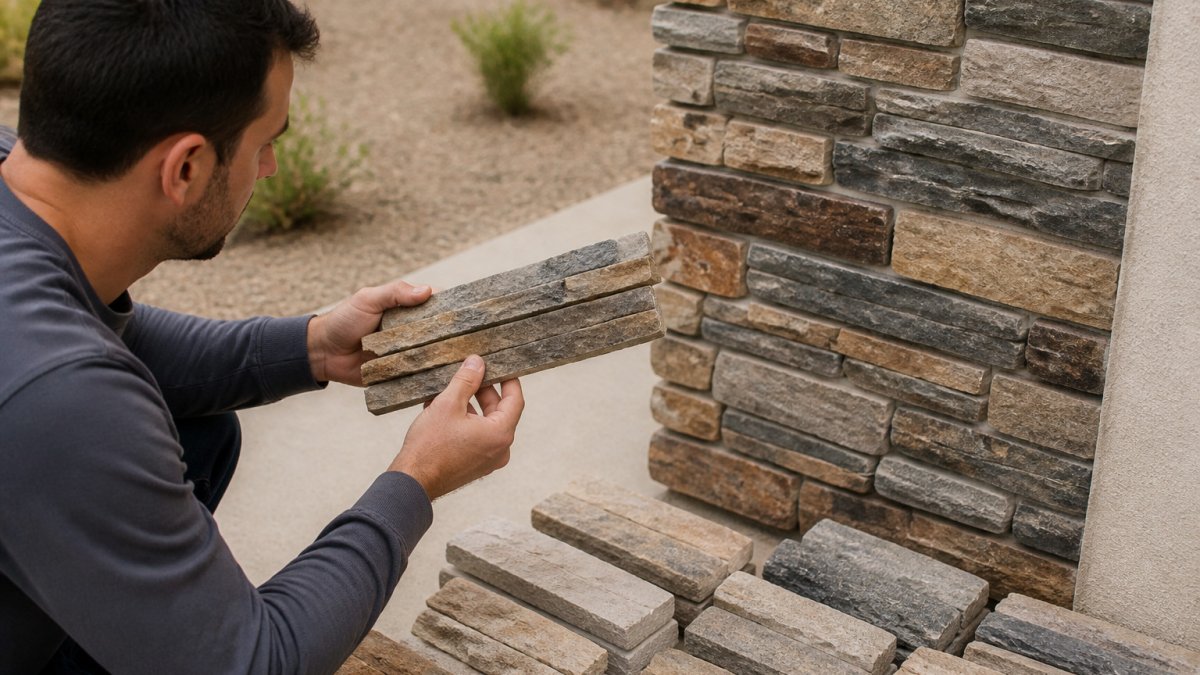
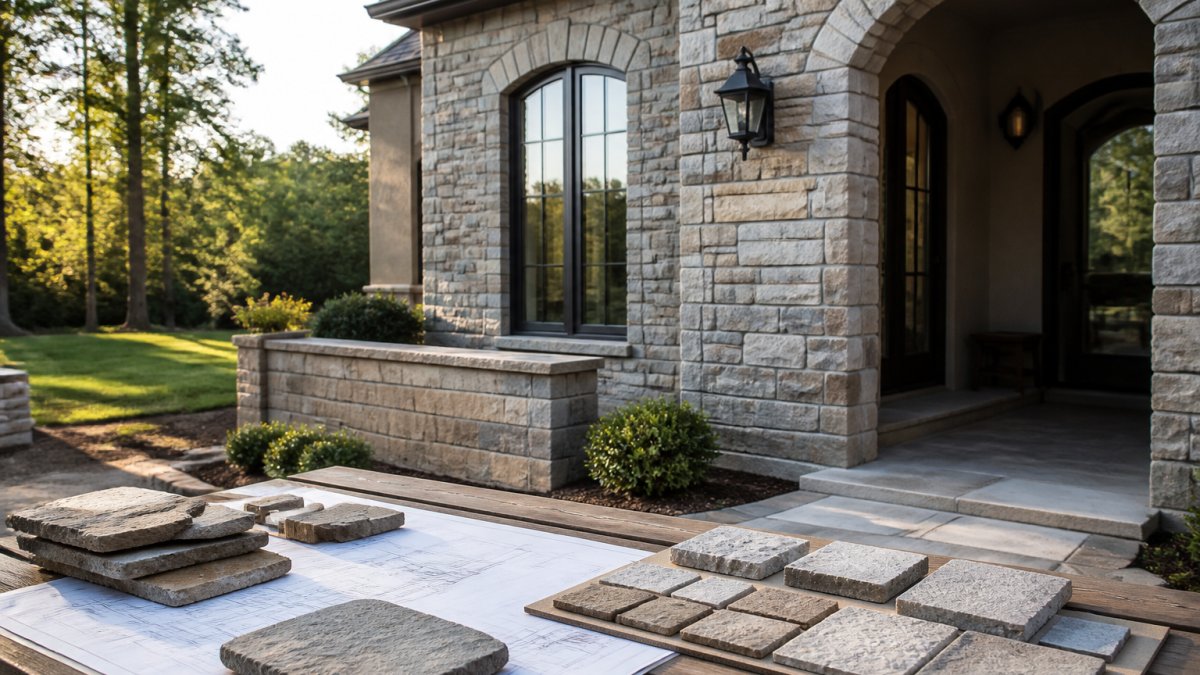
Material selection changes costs too. Standard mortar costs less than specialty mortars designed for historic preservation or extreme weather. Brick replacement uses either salvage brick (expensive but historically accurate) or new matching brick (cheaper but sometimes visibly different). Your contractor's access to the site affects labor time and therefore total cost.
Local climate and drainage are often overlooked cost drivers. In this region, heavy rain and high humidity mean water intrusion is a leading cause of mortar failure. Poor grading, clogged gutters, or missing downspouts can channel water into brick walls, accelerating deterioration and expanding repair scope. Contractors may need to address drainage before or alongside masonry work, adding cost.
Structural damage is another major factor. Hairline cracks in mortar are cosmetic; stair-step cracks in brickwork often signal foundation movement and require engineering evaluation before repair. If structural movement is involved, costs can rise sharply because the cause must be stabilized first. Similarly, height and access matter: scaffolding, lifts, and fall protection add labor and equipment costs for chimneys, parapets, and upper walls.
Brick Mortar Repair Cost Breakdown
Brick mortar repair cost depends entirely on what you're fixing and how much of it needs attention. Most homeowners in the area find that a single average price is misleading because mortar repair spans everything from a quick patch to full-wall restoration. Your actual cost depends on access, height, brick condition, and mortar type.
| Repair Type | Typical Local Range | What Drives the Price |
|---|---|---|
| Small mortar patch (a few joints) | $200-$500 | Access, minimum service call, mortar color matching |
| Chimney mortar repair (crown and joints) | $500-$1,500 | Height, scaffolding, freeze-thaw exposure |
| Wall section repointing (up to 100 sq ft) | $800-$2,500 | Joint depth, brick pattern, mortar type |
| Cracked brick replacement (per brick) | $50-$150 per brick | Brick matching, salvage vs. new, labor |
| Stair-step crack repair (structural) | $1,500-$5,000+ | Cause of movement, foundation involvement, engineering |
| Full facade repointing (500+ sq ft) | $5,000-$15,000+ | Square footage, height, historic mortar requirements |
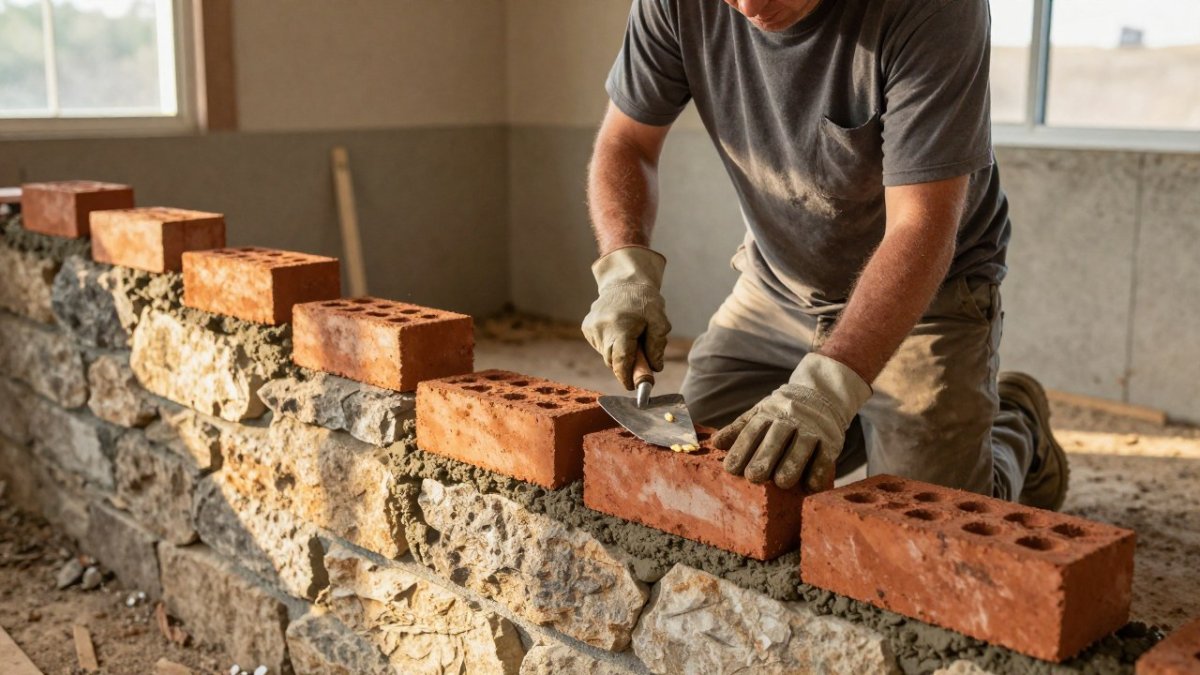
The work itself involves removing failed mortar, cleaning the joints, and packing new mortar in place. If the bricks themselves are sound, this is a straightforward job. If bricks are cracked, spalling, or deteriorating, costs climb because damaged brick must be replaced or sealed. Labor typically runs $40 to $100 per hour, and material costs are added on top. For commercial properties or large residential structures, brick mortar repair cost scales with wall area. A 500-square-foot section of a commercial facade might run $2,500 to $5,000 depending on mortar depth, brick condition, and access challenges. The research from CountBricks' 2026 Masonry Repair Cost Insights confirms that labor is the dominant cost driver, particularly for work requiring special equipment or extensive site setup.
Brick Repointing Cost and When It's Necessary
Brick repointing cost typically runs higher than simple mortar patching because the work is more extensive and precise. Repointing means removing mortar joints to a specific depth, usually one-third the joint width, and replacing it entirely with new mortar. This is structural work, not cosmetic repair. The cost of a typical repointing job depends on the brick pattern, joint width, and mortar type.
You need repointing when mortar has failed across a large section of wall, when water is penetrating behind the brick, or when the structure is settling and joints are cracking. Ignoring repointing needs leads to water damage inside walls, which becomes exponentially more expensive to fix.
The timing matters too. Repointing in spring or fall gives mortar ideal curing conditions. Winter work costs more because contractors must protect the site from freezing temperatures. Summer heat can also complicate curing. If your brick shows widespread mortar failure, get a quote for repointing sooner rather than later, waiting allows water infiltration that spreads damage.
Crumbling Brick Mortar Repair: Inspection and Solutions
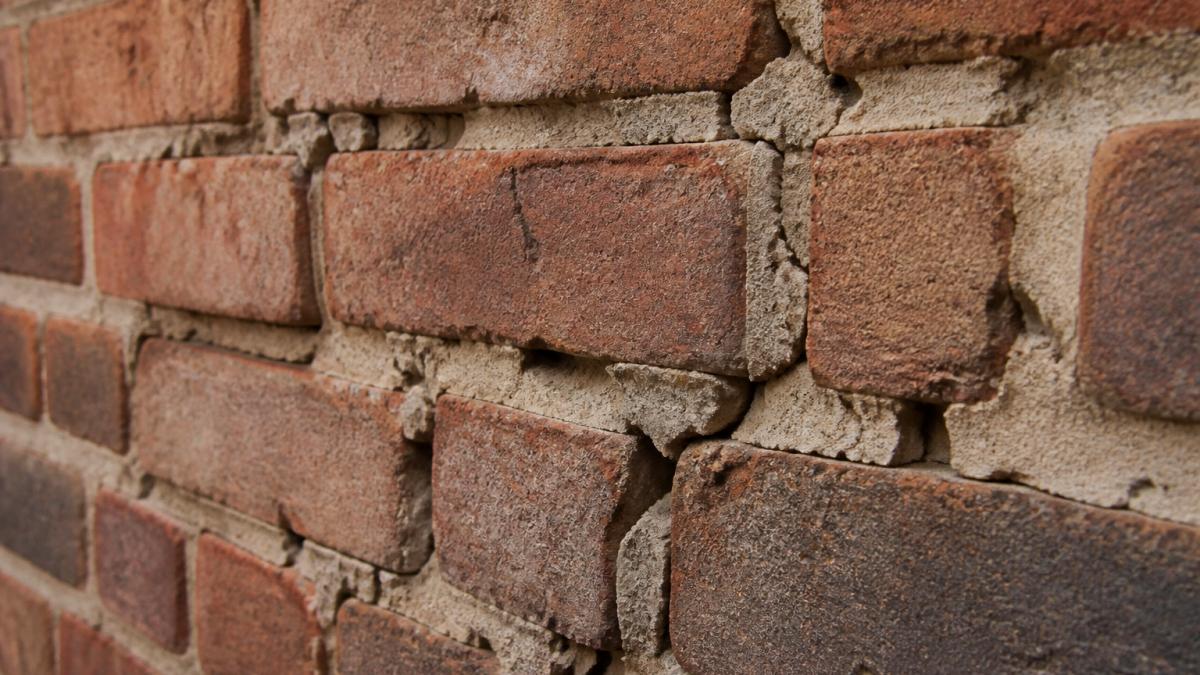
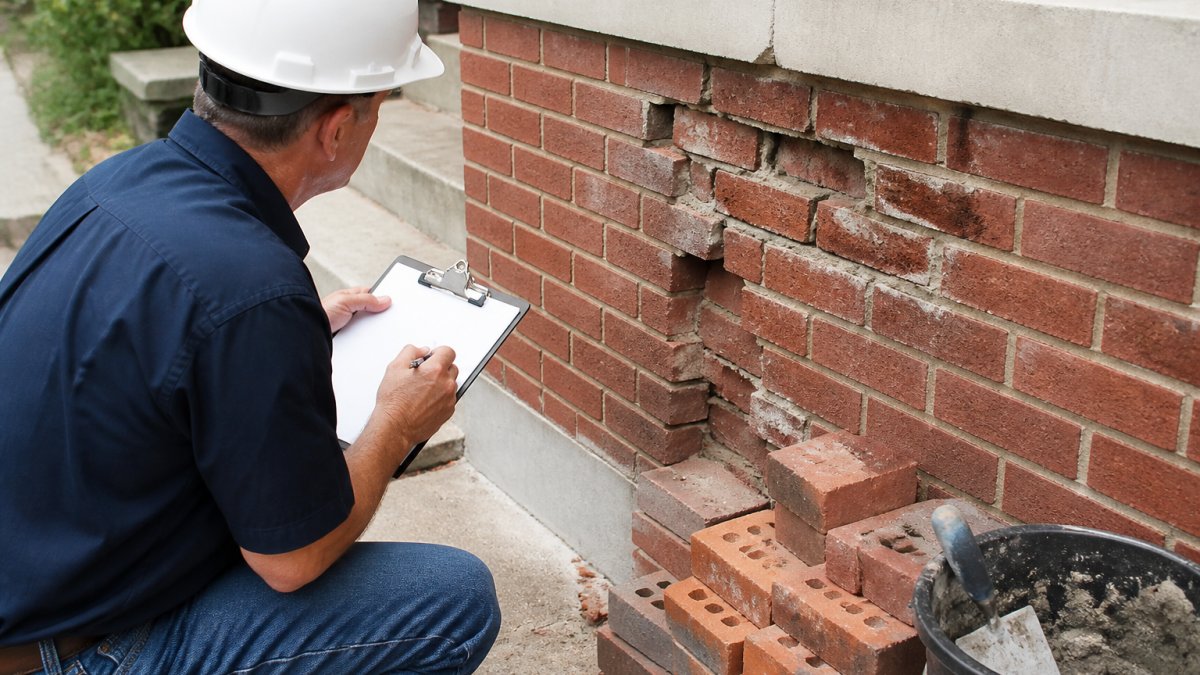
Crumbling brick mortar repair starts with a professional inspection to determine how deep the damage runs. A qualified inspector, ideally a structural engineer or experienced mason, examines joints, tests brick integrity, and looks for water staining inside the building that signals moisture penetration. This inspection helps prevent costly guesswork.
Crumbling mortar appears as dust or powder falling from joints, visible gaps between bricks, or mortar that crumbles when scraped lightly with a knife. In Jackson's humid subtropical climate, freeze-thaw cycles and moisture exposure accelerate mortar failure. The solution depends on severity. Surface crumbling might need only resealing or light repointing. Deep deterioration requires full joint replacement and possibly brick repair or replacement.
The repair process involves removing damaged mortar carefully to avoid chipping brick, then packing new mortar into the joints. For historic brick, contractors use lime-based mortar that matches the original. Modern brick typically gets Portland cement mortar. The choice affects both cost and longevity, lime mortar is softer and breathes better but costs more; Portland cement is cheaper but can trap moisture inside older brick.
Repair vs. Replacement: Making the Right Call
The repair versus replacement decision hinges on brick condition and cost-benefit analysis. If mortar has failed but brick is sound, no cracks, spalling, or structural weakness, repair through repointing makes sense. If brick itself is damaged across a significant area, replacement becomes necessary.
Calculate the economics carefully. The cost of replacing a single damaged brick, including labor, varies. Similarly, the cost for a section of damaged bricks will depend on the extent of the damage. If that section represents 5% of your visible wall and the rest is sound, repair makes sense. If 40% of the wall is compromised, replacement of that entire section might be cheaper and more durable long-term than patching.
Replacement also considers structural function. A brick that's purely cosmetic, on an interior wall or hidden side of the building, might be left alone if repair is expensive. A brick that's load-bearing or water-exposed needs replacement if it's failing. The residential construction share of the masonry industry has declined to 35.1% in 2026 from 40.5% in 2022, according to IBISWorld's 2026 Masonry Industry Analysis, reflecting tighter budgets and homeowners prioritizing repairs over new work. This makes smart prioritization essential.
Getting Accurate Quotes and Hiring the Right Contractor
Getting accurate quotes requires providing contractors with clear scope information. Take photos of the damage, measure affected areas, and note any water staining or structural concerns. When you contact contractors, describe exactly what you see and ask them to visit the site before quoting. Phone quotes are almost always inaccurate.
Ask each contractor for a detailed written estimate that breaks down materials, labor hours, and timeline. A vague quote that simply says "$1,500 for brick repair" tells you nothing about what's included. A detailed quote lists mortar type, brick replacement count, repointing square footage, and labor hours, this lets you compare apples to apples across contractors.
Verify contractor credentials. Ask for references from recent masonry jobs in Jackson. Request proof of insurance and licensing. A contractor with 16 years of experience and strong local references is worth paying a premium over an unknown operator.
Masonry repair costs in Jackson vary widely based on damage severity, repair type, and contractor expertise. With 16 years of masonry experience serving Jackson's residential and commercial properties, we'll help you understand your options and deliver the reliable, expert service your property deserves. Contact Us today for an estimate and let our team bring your masonry vision to life.
Frequently Asked Questions
How much does masonry repair cost?
Your actual masonry repair cost depends on the damage type, repair scope, materials needed, and local labor rates. A professional contractor will provide an estimate tailored to your specific project.
What is the average cost to repoint a brick wall?
Repointing costs vary based on wall size, mortar condition, and brick pattern complexity. Labor makes up a significant portion of the expense. The total brick repointing cost depends on how many linear feet need work and whether the contractor must remove old mortar, clean joints, and apply new mortar. Request a detailed estimate that breaks down labor and materials separately.
What factors affect the cost of brick and stone repairs?
Masonry repair costs depend on damage extent, brick or stone type, mortar condition, accessibility, and local labor rates. Structural repairs cost more than cosmetic work. Climate exposure, previous repairs, and whether the wall is load-bearing also influence pricing. A thorough inspection identifies all damage and helps contractors provide accurate estimates. Weather conditions and project timeline may affect scheduling and final costs.
How do I know if my masonry needs repair?
Signs include visible mortar crumbling, brick displacement, horizontal or stair-step cracks, water staining, and efflorescence (white powder on brick). Crumbling brick mortar repair is urgent if mortar joints are actively deteriorating. Inspect your foundation, porch foundation, and exterior walls seasonally. If you notice water entering the structure or bricks moving, contact a professional immediately. Early detection prevents costly structural damage.
Is it cheaper to repair or replace damaged brick?
Repair is usually more economical than full replacement unless damage is extensive or structural. Localized mortar repair and repointing cost significantly less than removing and replacing entire brick sections. However, if bricks are severely fractured, displaced, or compromised structurally, replacement may be necessary. A professional inspection determines whether repair or replacement makes sense for your specific situation and long-term durability.
What should a masonry repair estimate include?
A detailed masonry repair estimate should specify the repair type, materials (brick type, mortar grade, sealants), labor hours and hourly rate, project timeline, warranty terms, and payment schedule. It should itemize costs for inspection, preparation, labor, materials, cleanup, and any additional work discovered. The estimate should be no-obligation and provided after an on-site inspection. Compare estimates from multiple contractors to understand local pricing and service scope.