 blog
How to Choose Between a Masonry Contractor vs General Contractor
Last Updated: October 28, 2026
Quick Summary
Choose a masonry contractor when masonry is the whole job, such as crack repair, a patio, concrete steps, a retaining wall, or a commercial enclosure. Choose a general contractor when your project spans multiple trades and needs overall scheduling and risk management. A masonry contractor performs the brick, block, stone, and concrete work itself.
- A general contractor coordinates an entire build or renovation and manages risk rather than executing trade work.
- A masonry contractor works with brick, block, stone, and concrete on residential and commercial projects.
- Verify licensing requirements with your local building department before signing anything.
- Reliable masonry crews book out, so raise any tight timeline at the first call.
- Review photos of past projects to judge finish quality and how clean the crew leaves a site.
Table of Contents
- Masonry Contractor vs General Contractor: How the Roles Differ
- What a General Contractor Actually Manages
- What Does a Masonry Contractor Do on a Project?
- Side-by-Side Comparison: Scope, Licensing, and Liability
- Masonry Contractor Cost vs General Contractor Markups
- Masonry Project Timeline: What to Expect From Start to Finish
- Questions to Ask a Masonry Contractor Before You Sign
- When to Hire a Masonry Contractor Directly
- Request a Quote for Your Masonry Project
- Frequently Asked Questions
Masonry Contractor vs General Contractor: How the Roles Differ
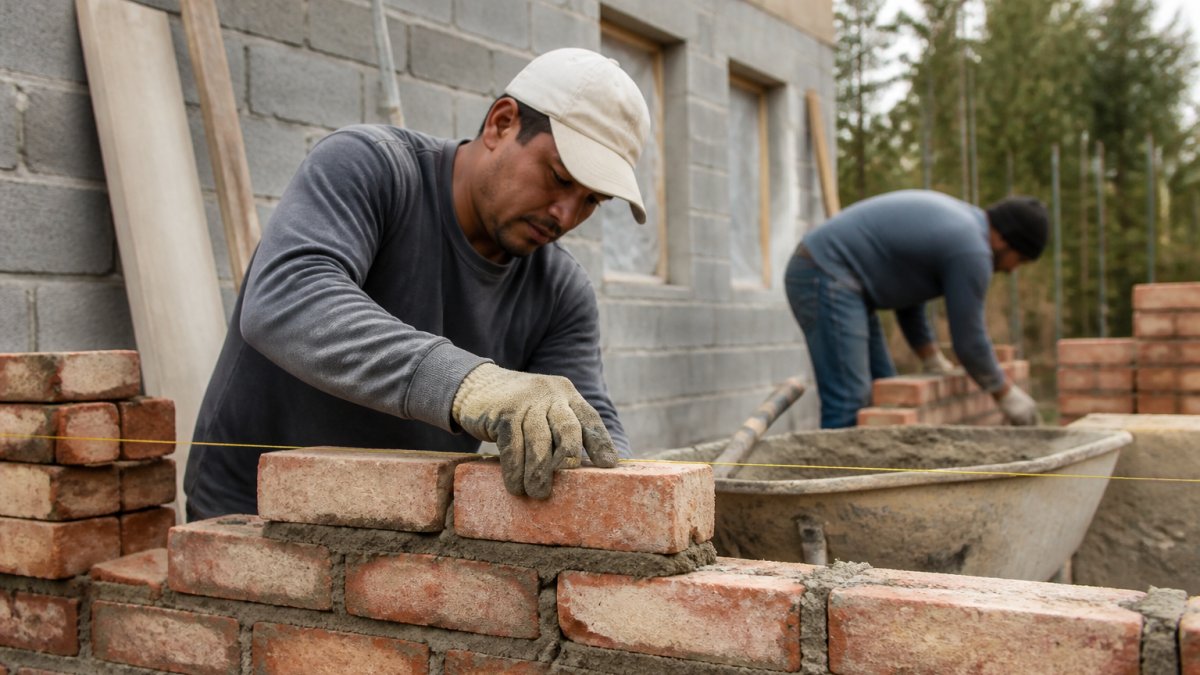
A masonry contractor vs general contractor decision usually comes down to one question: who should be holding the trowel, and who should be holding the schedule? A masonry contractor is a trade specialist who builds and repairs brick, block, stone, and concrete structures. A general contractor manages the whole project.
That distinction sounds simple until money and liability enter the picture.
Below, we break down where each role starts and stops and how to tell which one your project actually needs.
What a General Contractor Actually Manages
A general contractor coordinates an entire build or renovation.
The Associated General Contractors of America frames the GC role around overall project delivery and risk management, not trade execution. Worth remembering when someone quotes you "full-service" on a project that's really just a retaining wall.
What Does a Masonry Contractor Do on a Project?
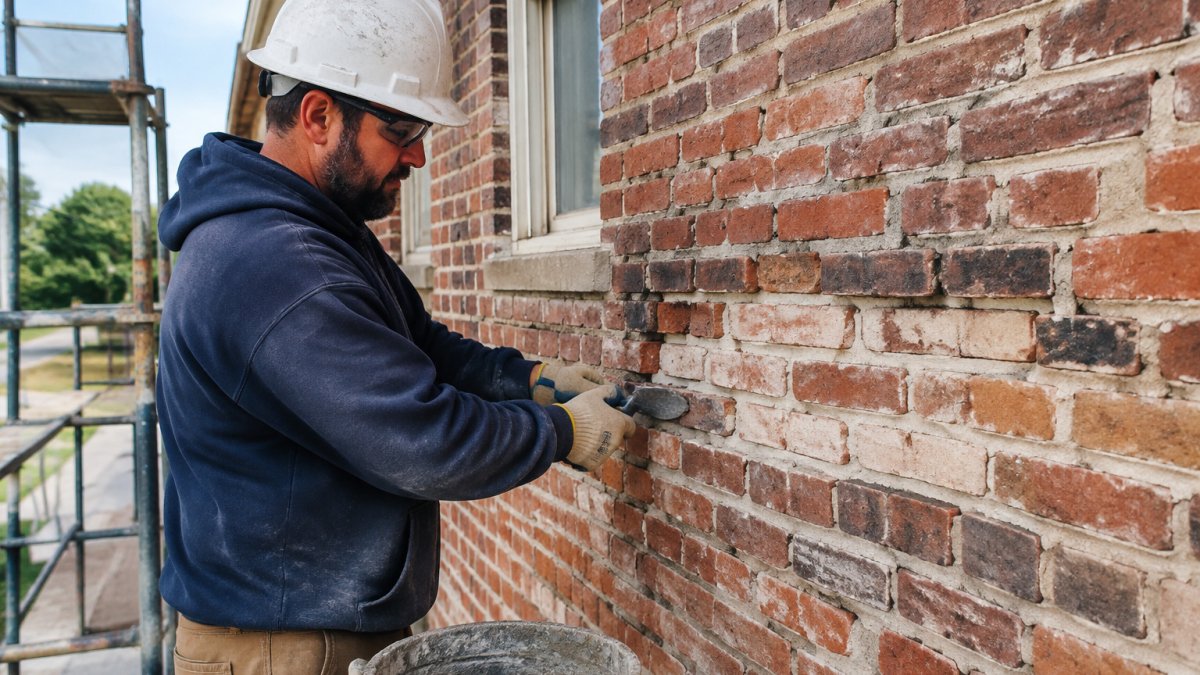
A masonry contractor works with brick, block, stone, and concrete (Masonry Workers : Occupational Outlook Handbook: : U.S. Bureau of Labor Statistics).
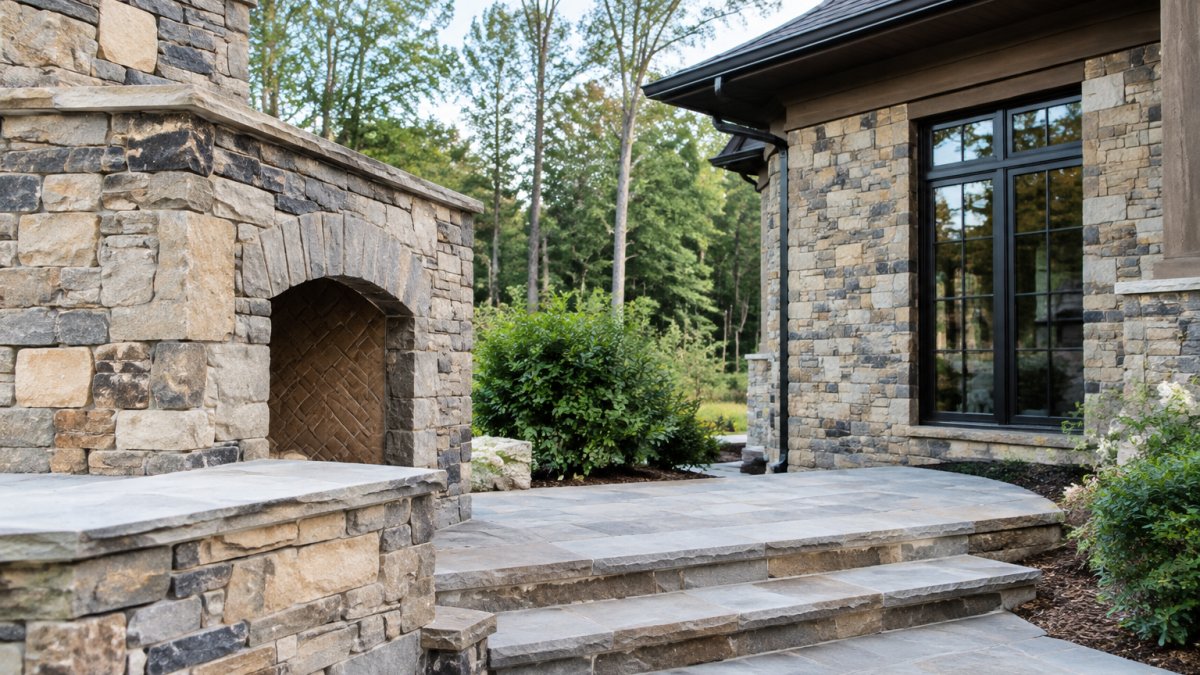
Our own team handles both residential and commercial masonry, from custom stone features on a home to dumpster enclosures at a commercial facility.
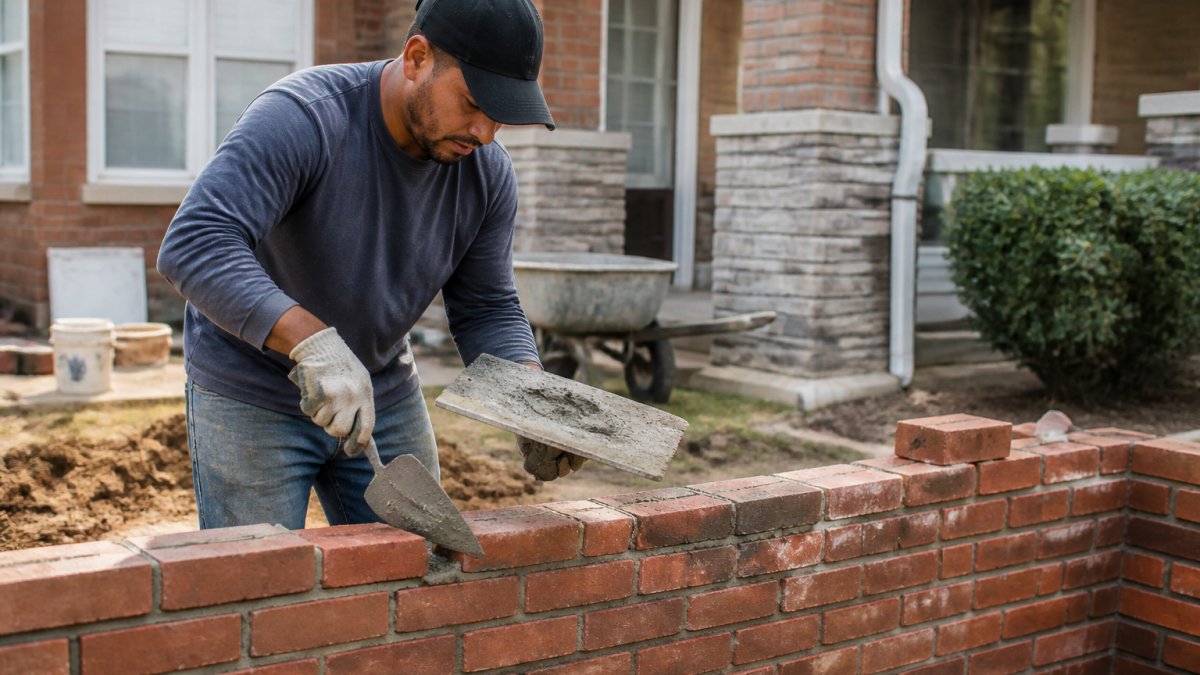
Structural Work vs Cosmetic Finishes
A general contractor can manage either type. A masonry contractor performs the work. For structural jobs, the person doing the work matters more than the person scheduling it. See an example of structural masonry in our retaining walls work.
Side-by-Side Comparison: Scope, Licensing, and Liability
The clearest way to see the difference is to line up what each role actually covers.
| Factor | Masonry Contractor | General Contractor |
|---|---|---|
| Scope | Masonry, concrete, stone, brick only | Entire project across all trades |
| Licensing | Trade license where required by state or local rules | State or local GC license, varies widely |
| Insurance | Liability and workers' comp for masonry crew | Liability and workers' comp across project |
| Subcontracting | Performs own trade work | Hires and manages subcontractors |
| Best for | Masonry-only projects, structural repairs | Multi-trade builds and renovations |
| Cost structure | Direct labor and materials quote | Subcontractor costs plus markup or fee |
Licensing rules vary by state and municipality, so verify requirements with your local building department before signing anything. The U.S. Small Business Administration offers guidance on vetting contractors and checking credentials, which is a reasonable starting point for any homeowner.
Masonry Contractor Cost vs General Contractor Markups
We can't quote you a number here. What we can tell you is how to compare quotes fairly:
Masonry Project Timeline: What to Expect From Start to Finish
A common mistake is booking a mason mid-season and expecting next-week starts. Reliable crews book out. If your timeline is tight, say so at the first call so scheduling can be discussed honestly.
Questions to Ask a Masonry Contractor Before You Sign
That last one matters more than people think. Workmanship warranties vary wildly, and getting it in writing protects you years later. Before signing, review photos of past projects to judge finish quality, joint consistency, and how clean the crew leaves a site.
When to Hire a Masonry Contractor Directly
Hire a masonry contractor directly when masonry is the whole job. Review our services to confirm we cover your project type. Crack repair, a new patio, concrete steps, a retaining wall, or a commercial enclosure all fall into that category.
Request a Quote for Your Masonry Project
The right hire comes down to matching the contractor to the job.
At Solid Rock Brick, we've spent 16 years doing masonry work for homeowners and commercial property managers. We handle stone work, brick work, and concrete installations, serve both residential and commercial clients, and are committed to 100% customer satisfaction.
Get started with Solid Rock Brick and request a quote for your masonry project. Reach out through our contact page and tell us what you're planning.
Frequently Asked Questions
What is the difference between a masonry contractor and a general contractor?
A masonry contractor specializes in brick, stone, block, and concrete work, and often self-performs the labor with a dedicated crew. A general contractor manages the whole build, hires and schedules subcontractors, and usually does not lay masonry themselves. For a standalone wall, patio, or repair, hiring the masonry contractor directly cuts out a layer of management. For a full addition or new build, the general contractor coordinates masonry alongside framing, electrical, and plumbing.
When should I hire a masonry contractor instead of a general contractor?
Hire a masonry contractor directly when the job is masonry-only: a retaining wall, brick repair, concrete steps, a fire pit, a patio, or a dumpster enclosure. These projects do not need multi-trade coordination, so a general contractor adds management cost without adding value. Bring in a general contractor when masonry is one part of a larger remodel that also involves framing, roofing, or electrical work, since someone has to sequence those trades.
Is a masonry contractor usually less expensive than a general contractor?
Often, yes, because you are not paying a general contractor's management fee or markup on top of the masonry labor. Masonry contractor cost depends on material, square footage, site access, and whether the work is structural or cosmetic, so get an itemized quote rather than a lump sum. A general contractor's bid will typically bundle masonry with other trades and overhead, which makes direct price comparison difficult. Ask each bidder to break out labor and materials separately.
Does a masonry contractor handle permits and inspections?
It depends on the scope and the local building department. Structural work such as retaining walls above a certain height, new footings, or load-bearing changes usually requires a permit and inspection, and a reputable masonry contractor will tell you whether the permit is included in the bid. Ask this question before signing, and get the answer in writing. Cosmetic repointing or a small patio may not need a permit at all, but confirm with the local authority rather than assuming.