 blog
Best Custom Stone Masonry Designs for 2026
Last Updated: November 12, 2026
Quick Summary
Current custom stone masonry favors large-format stone, textured finishes like split-face and fieldstone, and mixed stone and brick facades for contrast. Outdoor fire pits, patios, and retaining walls also need careful choices of stone type, base preparation, and drainage to last.
- Large-format pieces such as 24 by 48 inches reduce joints and make walls look calmer and more continuous.
- Granite, sandstone, and cast stone handle heat well, while limestone and some porous stones can crack when heated repeatedly.
- Keep a fire pit at least 10 feet from structures and combustible materials, and confirm the requirement with local authorities.
- Stone type is the largest single cost variable, and custom details like arches and curves add labor compared with straight runs.
- Compare bids on the same scope, since a low price can hide missing base preparation, thin material, or no warranty.
Table of Contents
- What Is Driving Custom Stone Masonry Design in 2026
- Natural and Textured Stone Finishes for Modern Homes
- Outdoor Stone Fire Pit Ideas for Backyard Living
- Stone Patio Design Ideas for Curb Appeal and Function
- Stone Retaining Wall Ideas and Structural Considerations
- What Custom Stone Masonry Costs and What Drives the Price
- Choosing the Right Stone and Masonry Partner for Your Project
- Requesting a Quote for Your Custom Stone Project
- Frequently Asked Questions
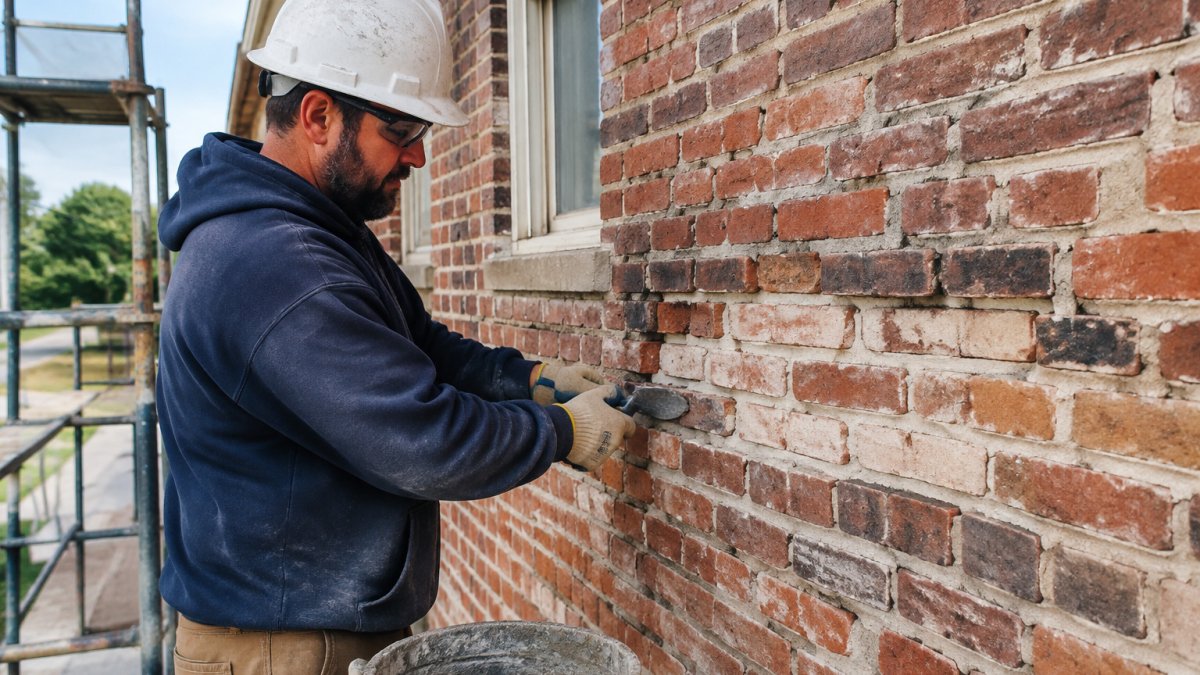
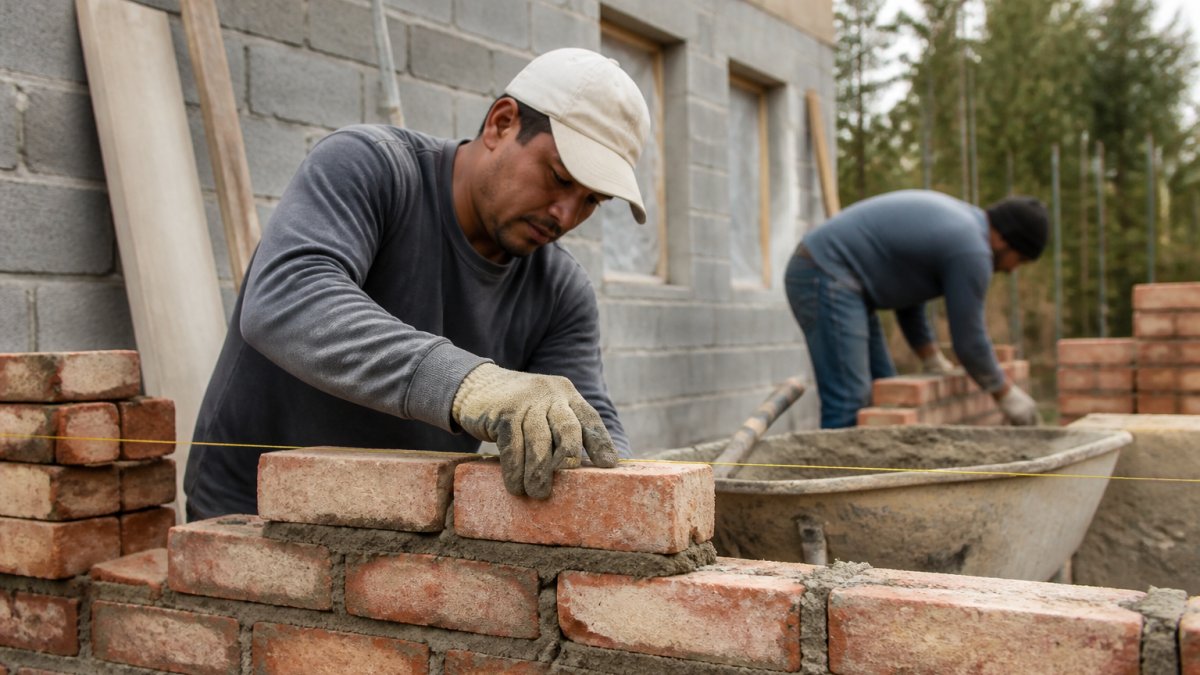
Stone masonry has moved well past plain fieldstone walls. Homeowners in Jackson, MS, are now choosing large-format stone, mixed materials, and custom outdoor features that change how a property looks and how the backyard gets used. Solid Rock Brick has spent 16 years building stone, brick, and concrete work for residential and commercial clients in the Jackson area.
What Is Driving Custom Stone Masonry Design in 2026
Custom stone masonry is now driven by two things: a demand for cleaner visual lines and a demand for stone that works outdoors year after year. Designs that feel modern tend to use fewer, larger pieces, fewer visible joints, and stone chosen for its texture as much as its color.
Modern projects also combine materials more often, pairing brick textures and stone accents on the same wall. Expect to see these ideas on the sections that follow.
Natural and Textured Stone Finishes for Modern Homes
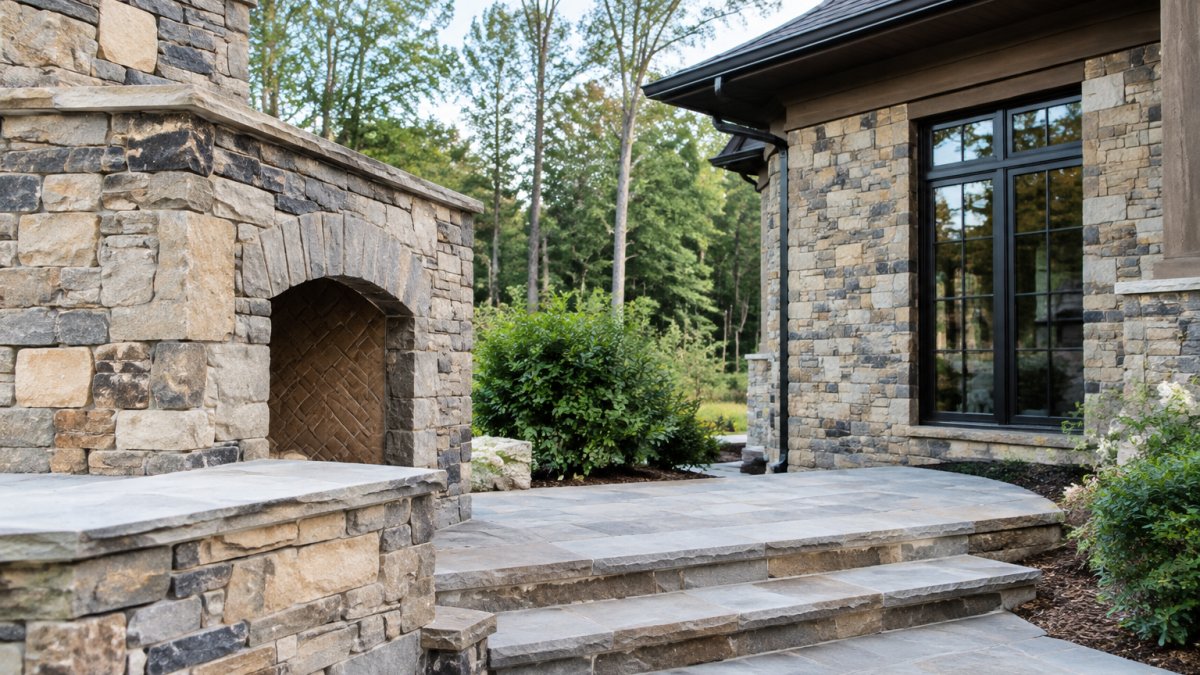
Finish matters as much as the stone itself. Rough-hewn, fieldstone, and split-face finishes add depth and shadow, while smoother honed surfaces suit contemporary entries and clean facades. Natural stone such as granite, limestone, sandstone, slate, and travertine each reads differently in sunlight, so sample boards should be viewed outdoors before you commit.
A textured finish on a traditional home looks intentional. The same finish on a sleek modern facade can look out of place.
Visit our [page] to see the stone work and finishes we install on local homes.
Large-Format and Modular Stone Profiles
Large-format pieces such as 24-inch by 24-inch, 24-inch by 48-inch, and 30-inch by 30-inch sizes are common in current designs. Fewer joints make a wall look calmer and more continuous.
Bigger pieces are heavier and need a solid base. Plan the substrate and drainage before ordering material.
Mixing Stone and Brick for Contrast
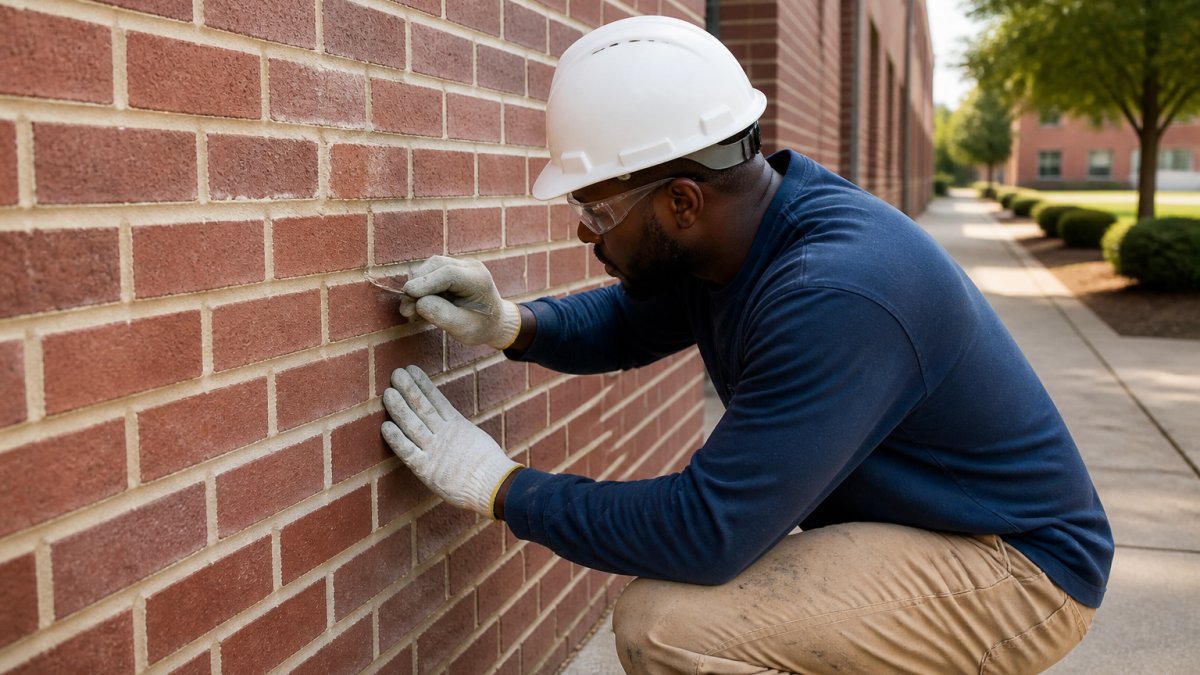
Pairing brick with stone is one of the most common ways to add contrast to a facade. Alternating bond patterns and stone accents at the base, corners, or around openings give a wall more character without a full stone cover. The contrast works best when the two materials share a color family, such as warm brick with honey-toned limestone.
Outdoor Stone Fire Pit Ideas for Backyard Living
A stone fire pit can anchor a backyard and extend the number of months you use it, but the design choices matter more than most homeowners expect. The three decisions that shape the result are shape, stone type, and how the pit sits in the surrounding hardscape.
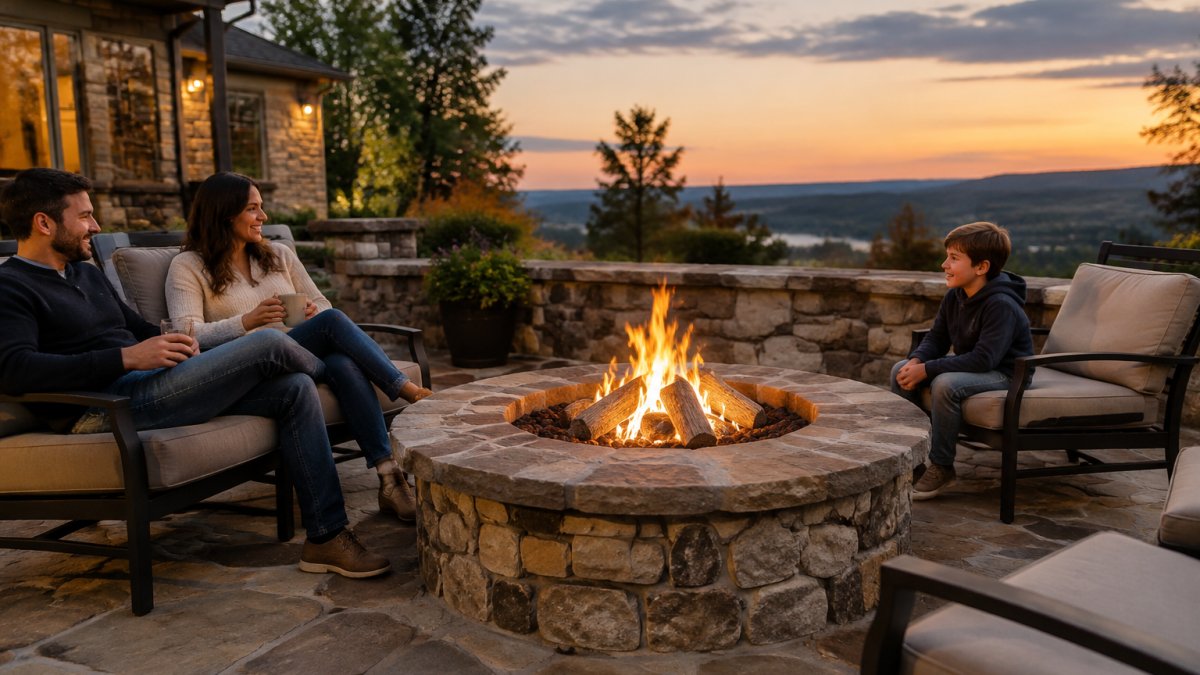
Shape and layout. Round pits read as relaxed and work well with curved seat walls and flagstone patios. Square and rectangular pits feel more architectural and pair naturally with large-format pavers and linear seat walls.
Stone and heat. Not every stone belongs in a firebox. Granite, sandstone, and cast stone are common choices for the surround because they handle heat well. Limestone and some porous stones can spall or crack when heated repeatedly, especially if they absorb moisture before a fire. The firebox itself is usually built from firebrick or a cast refractory liner, with the visible stone acting as a veneer around it. A heat-resistant mortar and a firebox liner are worth asking about in any stone fire pit, because standard mortar can crack under repeated heating.
Placement and clearance. Keep the pit away from low tree limbs, wood fences, and the house, and check local rules for open burning and setback distances before construction. A common pattern is to set the pit at least 10 feet from structures and combustible materials, but confirm the actual requirement with the authority having jurisdiction. Wind direction matters too: a pit placed where smoke drifts toward the patio or into a screened porch gets used far less than one placed to vent away from seating.
Outdoor fireplaces. A stone outdoor fireplace adds a vertical feature and a chimney, which means footing, masonry clearance to combustibles, and a proper flue are part of the design, not an afterthought. For either option, plan the gas line or wood storage, the seating layout, and the patio edge before the first stone is set.
Watch out: a fire pit built on an uncompacted base or without drainage can settle and crack within a season, so treat the base and water management as part of the fire feature, not separate work.
Stone Patio Design Ideas for Curb Appeal and Function
A stone patio does two jobs: it adds curb appeal from the street and gives the household a usable outdoor room. Irregular flagstone reads as relaxed, while large-format pavers look tidy and modern. Curved edges can soften a yard, and a patio that flows into a walkway ties the whole property together.
Drainage is the detail most often overlooked. Water needs a clear path away from the house, and the base has to be compacted correctly to prevent settling.
Stone Retaining Wall Ideas and Structural Considerations
Retaining walls can turn a sloped yard into usable space while adding a strong stone feature. Stone veneer, cut stone, and cast stone are all options, but a wall that holds back soil has to be built for the load behind it. Engineering, footing depth, and drainage behind the wall determine whether it lasts.
Visit our [page] to review the retaining walls we build, or see our [page] for related structural masonry work.
Keep in mind that a retaining wall is not a decorative choice alone. If the wall fails, the soil behind it moves with it. For any wall holding back a slope, get a professional assessment before you pick a design.
What Custom Stone Masonry Costs and What Drives the Price
Most trend roundups stop at inspiration and never explain what a project actually costs. This section covers the cost drivers so you can budget before you fall in love with a design.
Material. Stone type is the largest single variable. Pricing depends on quantity, stone type, and project specifics, so contact Solid Rock Brick for a quote.
Fabrication and detail. Straight runs with standard sizes are the least expensive to build. Every custom element adds labor: arches, curved walls, corbels, mitered corners, and carved or split-face detailing all require cutting, layout, and dry-fitting that simple walls do not. A wall with a high percentage of cut pieces can cost noticeably more than the same square footage laid in a running bond.
Site access and base work. A backyard that a wheelbarrow can reach is cheaper to build than one that requires a crane, a conveyor, or a long carry. Base preparation, excavation, compaction, and drainage are frequently underestimated; a patio or wall built on a poor base fails early, so this work should never be value-engineered out of a bid.
Scope and existing conditions.
How to read a bid. Compare bids on the same scope and the same stone. A low number can hide thin material, missing base preparation, or no warranty. Ask each contractor to break the price into material, labor, base and drainage, and any custom fabrication, so you can see where the differences are.
We do not publish prices here. Pricing depends on material, quantity, site conditions, and project scope, so contact us for an estimate tied to your property.
The article lists the main cost drivers for custom stone masonry, summarised below.
| Cost driver | What it affects | Note |
|---|---|---|
| Material | Stone type is the largest single variable | Pricing depends on quantity and stone type |
| Fabrication and detail | Arches, curves, corbels, mitered corners | Cut pieces add labor compared with straight runs |
| Site access and base work | Crane, conveyor or long carry needed | Hard-to-reach backyards cost more to build |
| Base preparation and drainage | Settling and early failure if underbuilt | Should never be value-engineered out of a bid |
Choosing the Right Stone and Masonry Partner for Your Project
The contractor you choose matters as much as the stone. Ask to see completed projects similar to yours, and ask for references you can actually call. Confirm whether the firm handles both residential and commercial work if your project may grow.
Compare bids on the same scope. A low number can hide missing base preparation, thin material, or no warranty. Ask each contractor how they will handle drainage, what stone they recommend for your climate, and how they will communicate if the schedule changes.
Solid Rock Brick offers [page] for property owners who want one team to handle stone, brick, and concrete work.
Requesting a Quote for Your Custom Stone Project
A clear quote starts with a few details: the area you want to build, the features you have in mind, photos of the property, and your target timeline. Share the design you are picturing so the estimate reflects your goals. Ask whether the work is a repair, a new installation, or a combination.
Reach out through our [page] to start the conversation. Share your vision and your timeline so we can discuss next steps.
Frequently Asked Questions
What are the top stone masonry design trends for 2026?
Large-format stone profiles are growing in demand because they deliver a modern look with fewer visible seams, . Designers are also combining brick textures, alternating bond patterns, and stone accents in a single project. Natural and textured finishes remain popular for fire pits, patios, and entry features. A local masonry contractor can help you judge which trends suit your home's architecture and your long-term maintenance expectations.
How much does custom stone masonry cost?
Final pricing depends on the stone type, project size, site access, drainage work, and design complexity. For an estimate tailored to your property, request a quote from Solid Rock Brick through our website.
What is the difference between natural stone and manufactured stone veneer?
Natural stone is quarried and cut from solid rock, while manufactured stone veneer is a cast product made to resemble it. Industry opinion is divided on the aesthetic and structural value of each, and natural stone generally costs more to install. Veneer can be lighter and easier to fit on some surfaces. Your mason can recommend the right option based on the structure, exposure, and look you want.
Can stone masonry be customized to match a home's style?
Yes. Bring photos of your home and any materials already in place so your mason can plan a cohesive design before construction begins.